


In honor of new beginnings and buzz-worthy adventures, let’s raise a glass to good food, great friends, and the little pairings that make life more delicious. Whether it’s a bold bourbon beside your barbecue or a crisp ale cooling down a summer night, the right match can turn a simple meal into a moment worth remembering.
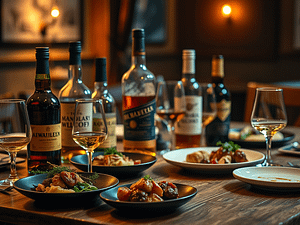
Ready to elevate your next meal beyond the everyday? We’re not just talking about your standard dinner routine. Imagine unlocking a new dimension of flavor, a symphony for your taste buds that happens when you strategically pair the right whisky or the right beer with the right food. This isn’t about overly complicated rules; it’s about discovering robust flavors, enjoying fantastic meals, and experiencing the kind of satisfaction that makes you truly appreciate the good things in life. Whether you’re planning a special celebration, gearing up for a weekend cookout, or just looking to make an ordinary evening feel a bit more special, mastering the art of whisky and beer food pairings is a delightful skill for anyone to explore.
And yes, we’ll even tackle that age-old question: to ice, or not to ice your whisky.
Whisky vs. Whiskey: What’s the Difference?
Ever notice that some bottles spell it whisky, while others go with whiskey? It’s not just a matter of preference—there’s actually a historical and regional distinction!
- Whisky (without the “e”) is traditionally used in Scotland and Canada. If you see Scotch whisky or Canadian whisky, it’s following this spelling convention.
- Whiskey (with the “e”) is favored by Ireland and the United States. That’s why you’ll see Irish whiskey or American bourbon whiskey spelled this way.
The difference dates back centuries, when Irish distillers wanted to set their spirits apart from Scotch whisky, so they added an extra e. Over time, this distinction stuck, and now both spellings reflect a nod to tradition.
Of course, whether you spell it whisky or whiskey, the most important thing is how it tastes!
Whisky: More Than Just a Strong Pour
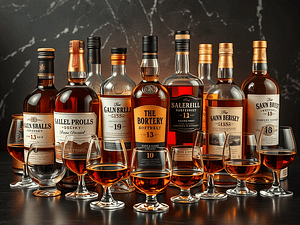
Before we dive into what goes with what, let’s get a handle on our key players.
Whisky (or whiskey) is a spirit with a staggering range of personalities. Understanding the basics will go a long way in your pairing journey.
- Scotch: Often associated with peat, smoke, and complexity.
- Single Malts: Think of these as unique expressions – each distillery has its signature style. Islays are typically smoky and briny (Laphroaig, Ardbeg). Speysides can be fruity and floral (Glenfiddich, The Macallan). Highlands offer a broader range, from robust to delicate.
- Blended Scotch: A marriage of different malt and grain whiskies, often smoother and more approachable (Johnnie Walker, Chivas Regal). Great for versatile enjoyment.
- Bourbon: America’s native spirit, made primarily from corn and aged in new charred oak barrels. Expect notes of vanilla, caramel, oak, and often a touch of sweetness (Maker’s Mark, Wild Turkey, Bulleit).
- Rye: Bourbon’s often spicier counterpart. Made form the grain Rye, it can have a peppery kick and a drier finish, making it a fantastic cocktail base and an intriguing food partner (Sazerac Rye, High West Rendezvous Rye).
- Irish Whiskey: Typically triple-distilled, making it exceptionally smooth. Often unpeated, with notes of fruit, honey, and a light maltiness (Jameson, Bushmills).
- Japanese Whisky: Inspired by Scotch tradition but with a distinct Japanese precision and elegance. Known for its balance and subtle complexity (Suntory Toki, Nikka Coffey Grain).
The Ice Question: To Chill or Not To Chill?
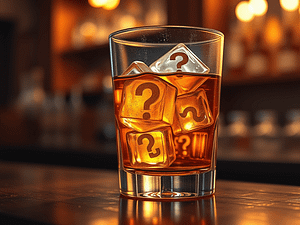
This is where opinions can be quite spirited! Here’s a practical take:
- Generally, Consider Trying it Neat First: If you’ve invested in a quality single malt Scotch, a complex bourbon, or a nuanced Japanese whisky, try it neat initially. Room temperature (or slightly cooler) allows the full spectrum of aromas and flavors to unfold. Ice can numb your palate and dull these complexities.
- When Ice Can Be Nice:
- Hot Day, Refreshing Drink: Sometimes, you just want a cold, bracing whisky. A cube or two won’t be the end of the world, especially with more robust bourbons or blended Scotches where the primary goal is refreshment.
- High Proof Whiskies: For cask-strength or high-ABV whiskies, a little dilution from melting ice can actually open them up, taming the alcohol burn and revealing underlying flavors. A large, slow-melting cube or sphere is best here to minimize rapid dilution.
- Whisky Cocktails: Obviously, Old Fashioneds, Manhattans, and Whisky Sours call for ice.
- Personal Preference: Ultimately, it’s your drink. If you enjoy your favorite bourbon on the rocks, please do! The “whisky purists” can look the other way. However, be open to trying it neat to see what you might be missing.
- The “Splash of Water” Alternative: Many whisky aficionados prefer adding a few drops of still, room-temperature water to their neat whisky, especially higher-proof ones. This can “open up” the whisky, releasing volatile compounds and making it easier to discern different notes, without the chilling effect of ice.
- Whiskey Stones: Small, reusable cubes—typically made from soapstone or stainless steel—designed to chill your drink without watering it down. Unlike traditional ice, they keep your whiskey cool without diluting its flavor or altering the tasting experience. Simply freeze the stones, drop them into your glass, and enjoy your pour as it was meant to be: smooth, balanced, and full of character.
Beer: Your Trusty, Versatile Ally
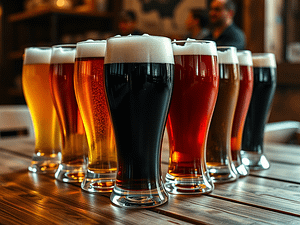
Beer is no less diverse than whisky. Knowing your IPAs from your Stouts is key to unlocking great pairings.
- Lagers (Pilsners, Helles): Clean, crisp, and refreshing. Great palate cleansers.
- IPAs (India Pale Ales): Characterized by hoppy bitterness and often citrus, pine, or floral aromas. Can range from sessionable to intensely hoppy.
- Pale Ales: A good balance of malt and hops, generally less bitter than IPAs. Versatile food partners.
- Stouts & Porters: Dark, roasty, and often with notes of coffee, chocolate, and caramel. Can be sweet or dry.
- Wheat Beers (Hefeweizen, Witbier): Often cloudy, with notes of banana, clove (Hefeweizen), or coriander and orange peel (Witbier). Refreshing and often a bit spicy.
- Sours (Gose, Berliner Weisse, Lambic): Tart, acidic, and complex. A more adventurous pairing but can be incredibly rewarding.
The Main Event: Pairing Like a Pro
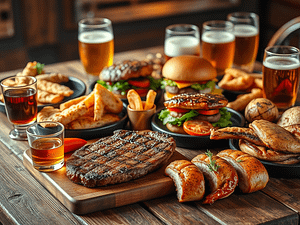
The goal here is either complement (matching similar flavors) or contrast (using opposing flavors to highlight each other or cut through richness). Sometimes, you can even do both.
1. Grilled Meats & BBQ: The Hearty Delights
This is prime territory for robust pairings.
- Steak (Ribeye, New York Strip, Filet Mignon):
- Whisky: A bold Bourbon is a classic. The caramel and vanilla notes complement the char and richness of the beef. Consider a high-rye bourbon for a bit more spice, or a wheated bourbon for a softer touch. A peated Islay Scotch can also stand up to a heavily marbled, smoky steak, creating an intense, umami-rich experience.
- Beer: A rich, malty Doppelbock or a robust Porter can match the steak’s intensity. An American Amber Ale offers a nice balance of malt sweetness and hop bitterness to cut through the fat. For something to slice through the richness, a West Coast IPA with its assertive bitterness can be a surprisingly good counterpoint.
- Burgers:
- Whisky: A straightforward, no-nonsense Bourbon or a smooth blended Scotch works wonders. No need to overthink it here.
- Beer: Classic American Lager – it’s a popular choice for a reason. A Pale Ale is also a solid option, providing enough character without overpowering the burger.
- BBQ (Ribs, Pulled Pork, Smoked Brisket – especially with Sweet & Smoky Sauces):
- Whisky: Rye whisky is a great companion here. Its inherent spiciness cuts through the sweetness of BBQ sauce and complements the smokiness of the meat. A bolder, sweeter Bourbon can also work by matching the sauce’s profile.
- Beer: A Rauchbier (smoked beer) doubles down on the smokiness for an intense experience. Alternatively, a malty Brown Ale or a smooth Stout can complement the caramelized notes of the sauce and meat. An IPA with a good hop profile can cut through the richness and sweetness.
- Sausages (Bratwurst, Italian, Chorizo):
- Whisky: An Irish whiskey’s smoothness won’t fight with the spices in the sausage. For spicier sausages, a sweeter bourbon can offer a nice contrast.
- Beer: For German brats, a German Pilsner or Märzen is traditional and perfect. For Italian sausages or spicy chorizo, a crisp Lager or a hoppy Pale Ale works well.
2. Seafood: Lighter Fare, Smarter Pairings
You might not immediately think of whisky with fish, but it can be done, and done beautifully.
- Grilled or Baked Fish (Salmon, Trout, Cod):
- Whisky: A lighter, unpeated Highland Scotch with subtle fruity or honeyed notes can be fantastic. Think Glenmorangie 10 or Dalwhinnie 15. A smooth Japanese whisky also shines here.
- Beer: A Witbier with its citrus and spice notes, or a crisp Saison. A German Pilsner also provides a clean counterpoint.
- Oysters:
- Whisky: This is where a briny, smoky Islay Scotch truly sings. The maritime notes of the whisky echo the ocean flavors of the oyster. It’s a legendary pairing.
- Beer: A dry Irish Stout (like Guinness) is the classic. The roasty notes and creamy texture are a perfect foil. A crisp, dry sparkling wine or Champagne-style beer also works wonderfully.
- Fish and Chips:
- Whisky: A lively, easy-drinking blended Scotch or a younger Irish whiskey. Nothing too overpowering.
- Beer: A classic British Pale Ale or an English Bitter. The maltiness complements the batter, and the hops cut the grease.
3. Spicy Dishes: Taming the Heat (or Leaning Into It)
Spice can be tricky, but the right pairing can elevate the entire experience.
- Spicy Curries (Indian, Thai, etc.):
- Whisky: A sweeter Bourbon can provide a welcome contrast to the heat and complement coconut-based curries. For something different, a slightly sweeter, fruitier Speyside Scotch could also work. Avoid overly smoky or very high-proof whiskies, which can amplify the burn for some.
- Beer: An IPA is a go-to for many with spicy food. The hops can stand up to the heat. For a cooling effect, a smooth, malty Lager or a German Hefeweizen can be excellent.
- Global Cuisine with a Kick (Mexican, Sichuan, Korean):
- Whisky: A vibrant Rye whisky can match the boldness of many spicy dishes.
- Beer: A Mexican Lager with a lime wedge is iconic with its namesake cuisine for a reason. For broader applications, a Vienna Lager or a crisp Pale Ale works well to balance heat.
4. Cheese & Charcuterie: The Art of Grazing
A well-curated cheese and charcuterie board is a fantastic canvas for beer and whisky.
- Aged Hard Cheeses (Cheddar, Gouda, Comté):
- Whisky: An older Bourbon with deep caramel and oak notes, or a richer Highland or Speyside Scotch.
- Beer: An English Strong Ale, a Barleywine, or a malty Doppelbock.
- Blue Cheese (Stilton, Roquefort, Gorgonzola):
- Whisky: This calls for something bold. A heavily peated Islay Scotch is a classic match – the salty, smoky whisky tangos beautifully with the pungent cheese. A sweet, port-finished whisky can also be a delightful contrast.
- Beer: An Imperial Stout or a rich Belgian Quadrupel. The sweetness and intensity match the cheese.
- Creamy Cheeses (Brie, Camembert, Goat Cheese):
- Whisky: A lighter, fruitier Scotch (perhaps a Lowland) or a smooth Irish whiskey.
- Beer: A Belgian Tripel or a Saison. The carbonation cuts through the richness.
- Charcuterie (Salami, Prosciutto, Pâté):
- Whisky: A spicy Rye or a versatile blended Scotch.
- Beer: A hoppy IPA or a crisp Pilsner can cut through the fat and salt. A tart Sour beer can also be an exciting contrast.
5. Desserts: The Sweet Finish
Yes, whisky and beer can absolutely go with dessert!
- Chocolate (Dark Chocolate, Chocolate Cake, Brownies):
- Whisky: A sherry-finished Scotch (like The Macallan Sherry Oak or Aberlour A’bunadh) is divine with dark chocolate. The rich, dried fruit notes of the whisky meld perfectly. A rich Bourbon also works well.
- Beer: A Chocolate Stout or a rich Porter is a natural fit. A Raspberry Lambic or a Kriek (cherry lambic) can provide a beautiful fruit-and-chocolate combination.
- Apple Pie/Crumble or Fruit Tarts:
- Whisky: A bourbon with prominent vanilla and cinnamon notes, or an Irish whiskey with apple and spice notes.
- Beer: A spiced Amber Ale or a Brown Ale with caramel notes. A Belgian Dubbel can also complement fruit and spice.
- Caramel or Toffee Desserts (Crème brûlée, Sticky Toffee Pudding):
- Whisky: A rich, sweet Bourbon or a rum-cask finished whisky.
- Beer: A Scotch Ale (Wee Heavy) with its deep caramel malt flavors.
The “Boilermaker” or “Hauf an’ a Hauf” – Elevated
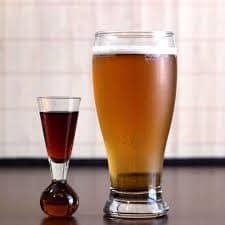
The classic shot-and-a-beer doesn’t have to be a dive bar special. Think of it as a deconstructed pairing. Sip your whisky, take a sip of your beer, and notice how they interact.
- Classic Combo: Bourbon (e.g., a good quality, versatile bourbon) and a classic American Lager or Pilsner.
- Smoky & Roasty: A peated Scotch (e.g., Laphroaig 10 Year Old) and a dry Irish Stout (e.g., Guinness Draught).
- Spicy & Hoppy: A Rye Whiskey (e.g., Bulleit Rye) and a Pale Ale (e.g., Sierra Nevada Pale Ale).
Experiment with small pours. The idea is for the two to complement each other and enhance the overall experience.
Final Pro-Tips for Your Flavor Journey

- Consider the Intensity: Match the intensity of the drink to the intensity of the food. Delicate food, delicate drink. Robust food, robust drink.
- Palate Cleansing: Use water or a neutral-flavored cracker to cleanse your palate between different pairings, especially if tasting multiple combinations.
- Glassware: While not essential for enjoyment, proper glassware can enhance the aromas of both whisky (a Glencairn or tulip-shaped glass) and beer (style-specific glasses).
- Temperature Matters: We talked about ice in whisky, but also serve your beers at their appropriate temperatures for best flavor – not all beers are best ice-cold!
- Don’t Be Afraid to Experiment: These are guidelines, not strict rules. The best pairing is the one you enjoy the most. Use this as a starting point and trust your own palate.
- Take Notes: If you find a combination you love, jot it down. Your future self will thank you when planning your next delicious meal.
The Whiskey Aging Process
Whiskey’s aging process is where the magic happens. When freshly distilled, whiskey is clear and sharp – more akin to moonshine than the rich amber spirit we know and love. As it rests in oak barrels, the wood begins to transform the liquid, infusing it with complex flavors like vanilla, caramel, spice, and even smoky or honeyed notes depending on the barrel’s treatment and environment. The charred interior acts as a natural filter, mellowing harsh compounds while allowing the spirit to absorb tannins and aromatic compounds from the wood.
Over time, the whiskey also interacts with oxygen and fluctuating temperatures, deepening its character and smoothing its texture. Some distilleries even rotate barrels – a process called barrel rolling – to ensure consistent exposure to the wood, enhancing flavor complexity. The longer the aging, the more nuanced the taste, making aged whiskey a perfect partner for bold cheeses, smoked meats, or rich desserts in your food pairings. Of course, the longer the whiskey is aged the higher the price.
So, there you have it – your guide to taking meals from merely satisfying to truly memorable with the thoughtful addition of whisky and beer. It’s about appreciating craftsmanship, exploring flavor, and sharing good times. Now go forth, experiment responsibly, and prepare to delight yourself and your guests. Cheers!
Have fun pairing!
As always: Sip responsibly, savor the moment, and never drink and drive – anything!
Disclaimer:
This post contains affiliate links. If you purchase something through these links, I may earn a small commission at no extra cost to you. Every click helps support my work, and the time I pour into creating content I love to share. Thank you so much!
If you enjoy what you see, please Like, Share, Follow, and Subscribe. I’m also working hard to qualify for the Amazon Associates program, so if something catches your eye, I’d be grateful if you’d consider purchasing through my links. I only recommend products I genuinely use and trust.
Thank you again for being part of the hive! 💛
Please Pass It On!

Discover more from The Janny Bee
Subscribe to get the latest posts sent to your email.